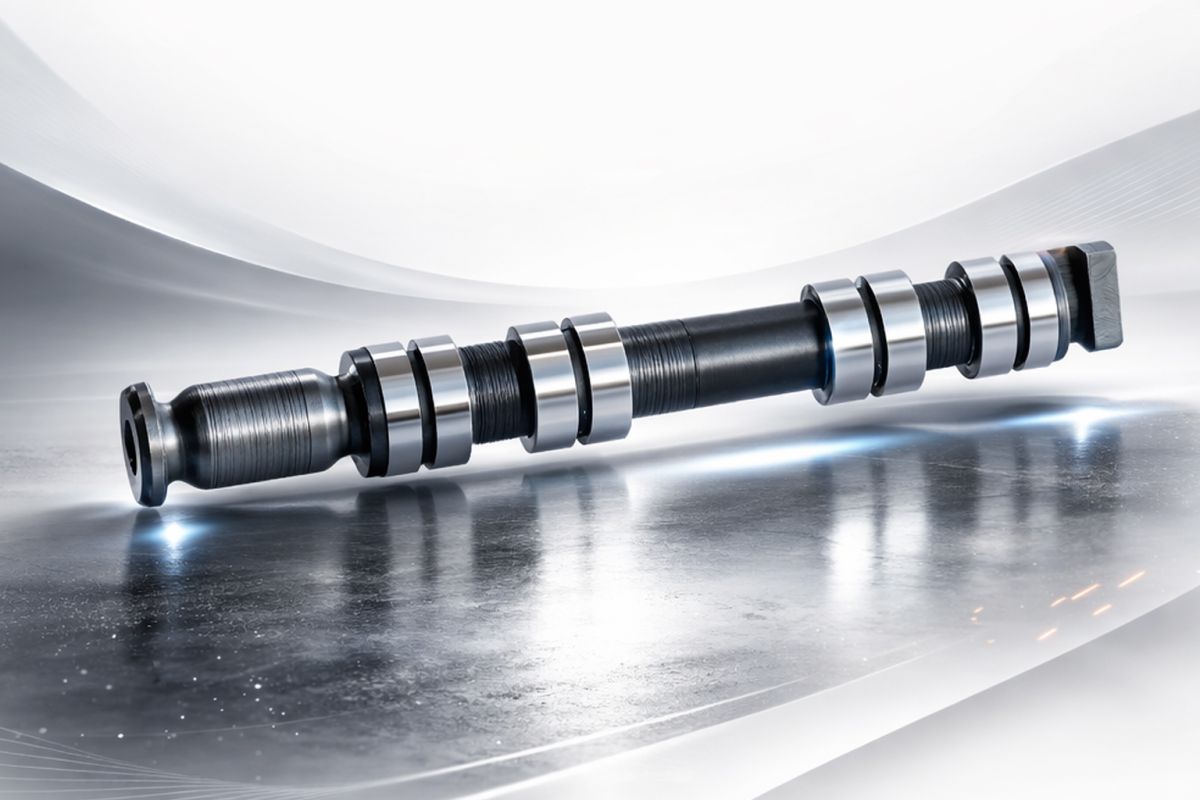
Flow control in machinery and hydraulic systems is of great importance for the efficient and safe operation of the system. One of the key components used at this point is the selector valve. Selector valves, especially used in hydraulic systems to determine and control the flow direction, play a critical role in many industrial and agricultural machines.
A selector valve is a control element in hydraulic systems that determines through which line the fluid will flow. With this valve, the direction of the hydraulic oil is changed, and flow direction is managed between different mechanisms within the system.
They are commonly used in tractors, construction machinery, industrial machines, and automation systems. Thanks to its durable structure, it can operate reliably even under high pressure.
The primary function of a selector valve is to control the direction of the fluid in hydraulic systems. This allows for the management of multiple mechanisms from the same hydraulic source.
Its main functions are:
Changing the direction of hydraulic fluid
Providing transition between different hydraulic lines
Ensuring more controlled operation of hydraulic systems
Managing multiple mechanisms from a single system
These features contribute to the more efficient and safe operation of hydraulic systems.
Selector valves are widely used in various sectors. They are a significant component in many machines where hydraulic systems are present.
Some of the areas of use include:
Tractors and agricultural machinery
Construction machinery
Industrial production machines
Hydraulic control systems
Automation systems
This wide range of applications demonstrates how crucial the selector valve is for hydraulic systems.
Choosing the right selector valve is crucial for system performance. The following factors should be considered when making a selection:
Compatibility with system pressure values
Material quality and durability
Compatibility of connection dimensions
Long-lasting and reliable operation
Using a quality valve helps prevent system failures and reduces maintenance costs.
The selector valve is an important mechanical component that controls the flow direction in hydraulic systems. By ensuring the fluid progresses through the correct line, it contributes to the efficient and safe operation of the system. Used in a wide range of areas from agricultural machinery to industrial systems, this component is an indispensable element of hydraulic control systems.